

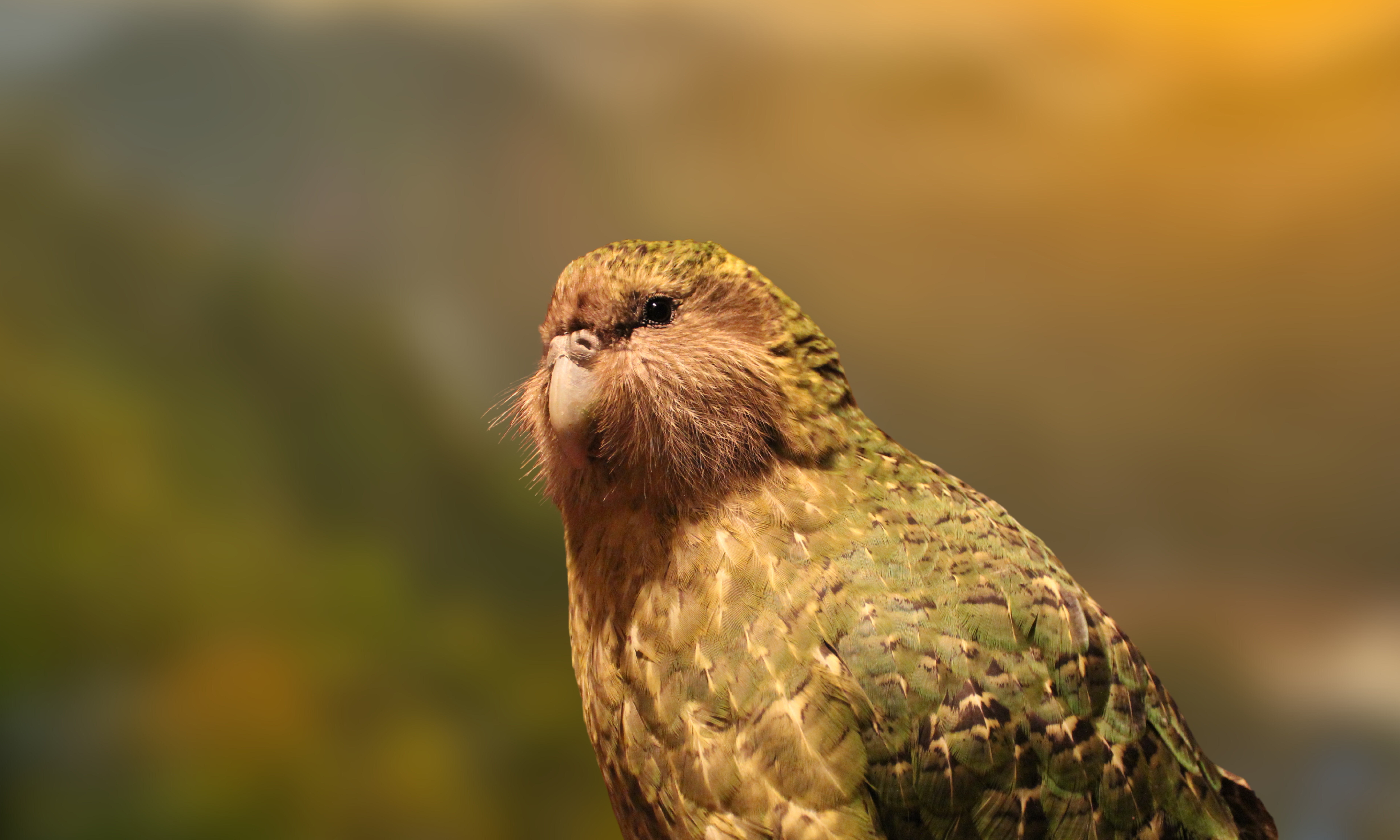
New Zealand is racing to protect its critically endangered birds, including the kākāpō, from H5 avian influenza before migratory seabirds bring the virus to the region. Fewer than 250 kākāpō remain, and an outbreak could push them to extinction.
In a world-first trial, the Department of Conservation vaccinated 10 birds from five species with 500 or fewer individuals, including the kākāpō, takahē, kakī (black stilt), tūturuatu (shore plover), and one kākāriki species. Using the H5N3 poultry vaccine, four species developed strong antibody responses lasting at least six months, protecting captive breeding populations vital for restocking wild birds.
The next step is planning a careful deployment strategy before spring migration, when seabirds could introduce the virus. Vaccination is just one part of a broader strategy focused on improving the overall health and resilience of wild populations.
Similar approaches have been tried internationally. In the US, California condors were vaccinated after H5 killed 21 birds in 2023, costing around $20m (£15m). Challenges remain: vaccines can lose effectiveness as the virus mutates, and incomplete coverage could drive viral evolution.
“If we start too soon, we’ll lose the antibody. If too late, we might miss the crucial moment,” says wildlife veterinarian Kate McInnes, emphasizing the delicate timing needed to protect these species.
