

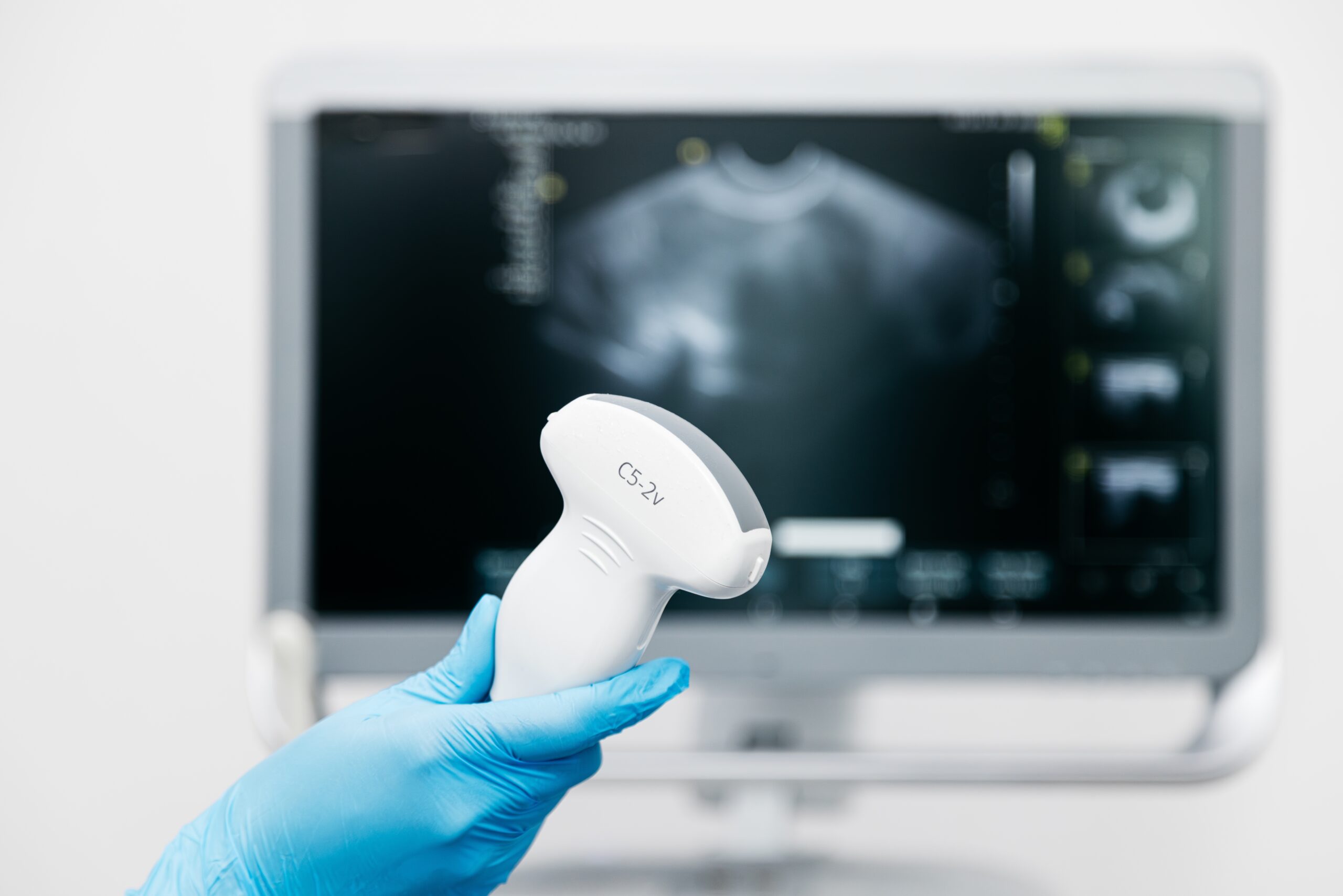
A new ultrasound “helmet” may provide a non-surgical alternative for treating neurological conditions such as Parkinson’s disease, Alzheimer’s, Tourette syndrome, depression, and chronic pain.
Unlike deep brain stimulation (DBS), which requires electrodes to be implanted into the brain, the helmet delivers mechanical pulses externally, precisely targeting regions up to 1,000 times smaller than standard ultrasound. A study published in Nature Communications demonstrated that the device could focus on areas 30 times smaller than previous deep-brain ultrasound systems.
The helmet, worn inside an MRI scanner, contains 256 sources and was tested on seven volunteers. Researchers successfully modulated a tiny region of the lateral geniculate nucleus, producing measurable changes in connected brain areas. In Parkinson’s patients, this could correspond to reducing tremors.
Developed over a decade by teams at Oxford University and University College London, the helmet is designed with patient comfort in mind and could eventually operate independently with AI, allowing home use. Researchers hope it could complement or replace invasive brain implants in the future.
