

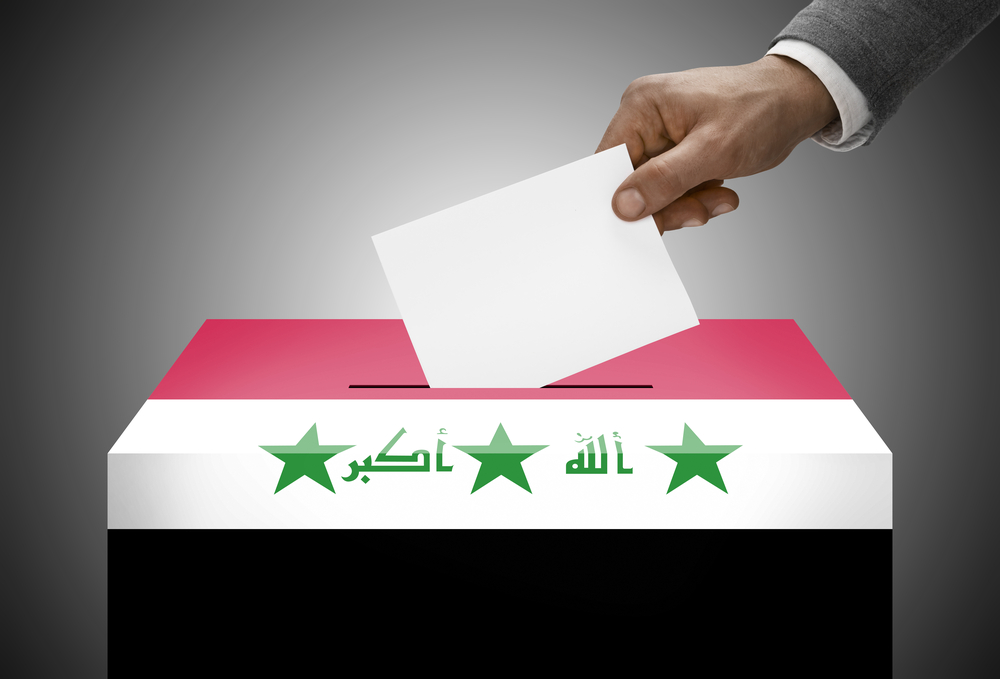
Iraq began early voting Sunday as security forces and displaced citizens cast ballots before Tuesday’s election. About 1.3 million army and security personnel and 26,000 displaced people can vote. The election will decide whether Prime Minister Mohammed Shia al-Sudani secures a second term amid regional pressure from Iran and Israel. Thousands of candidates compete, most representing sectarian parties, testing Iraq’s fragile political balance.
Displaced Communities Seek Influence Through Strategic Voting
Yazidis in northern Iraq voted from a camp near Dohuk after fleeing IS violence over a decade ago. Many cannot return home due to destroyed infrastructure and political disputes. IS previously killed and enslaved thousands, leaving homes in Sinjar divided among armed groups.
Edris Zozani, a displaced Yazidi, cast his vote for the Kurdish Democratic Party. “Independent candidates cannot defend Yazidi interests,” he said. “Parties like the KDP give us real representation in parliament.” Voters aim to turn displacement into political influence.
Militias Participate Amid Controversy Over Their Role
In Baghdad, soldiers, police, and Popular Mobilisation Forces (PMF) members voted as part of early polling. The PMF, a coalition of mainly Shiite, Iran-aligned militias, remains operationally independent despite formal military oversight. Parliament debates laws defining PMF authority, drawing objections from Washington.
A PMF member, speaking anonymously, said, “I voted for the list defending the PMF.” Several factions field political parties. Their performance could reshape Iraq’s internal power and influence U.S.-Iraq relations.
