

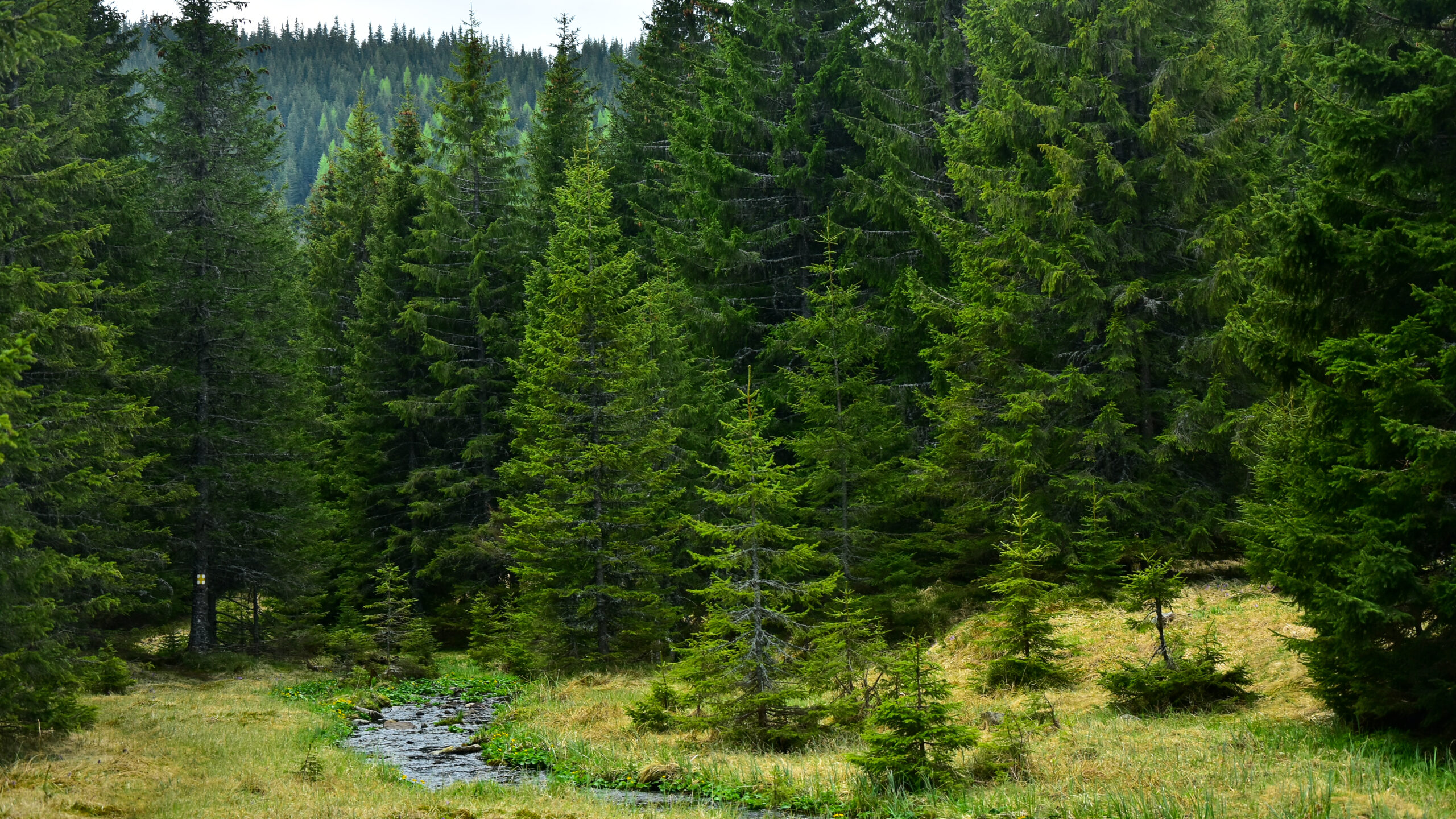
In the mountains of Greece’s southern Peloponnese, vast swathes of fir forest are turning brown and dying – even in areas untouched by fire. Scientists say the damage marks a worrying shift driven by climate change, where drought, insects and fire are now combining to overwhelm even the region’s hardiest trees.
Greek firs have long been considered resilient, able to withstand poor soils, dry summers and periodic wildfires. But when forest researcher Dimitrios Avtzis surveyed a recent spring fire, he found something unprecedented: hundreds of hectares of dead and dying trees well beyond the burn zone. “The scale of the damage was profound,” he said.
Researchers point first to prolonged drought, now a defining feature of Greece’s climate. Winter snow, a crucial source of slow-release moisture, has been steadily declining, further drying soils and weakening trees. In this stressed state, firs become vulnerable to bark beetles, insects that burrow under the bark and disrupt the flow of water and nutrients. Once beetle populations explode, forests can collapse rapidly.
Similar outbreaks are now being reported elsewhere in southern Europe, suggesting the Peloponnese die-off is part of a wider ecological shift rather than a local anomaly.
There is some hope. Mediterranean forests can regenerate after fire, but recovery is slow and uncertain under current conditions. Scientists warn that without coordinated funding, monitoring and intervention, these die-offs will become more frequent.
“We have the knowledge and the tools,” Avtzis said. “What we’re seeing now is only going to become more common. The question is whether we act in time.”
