

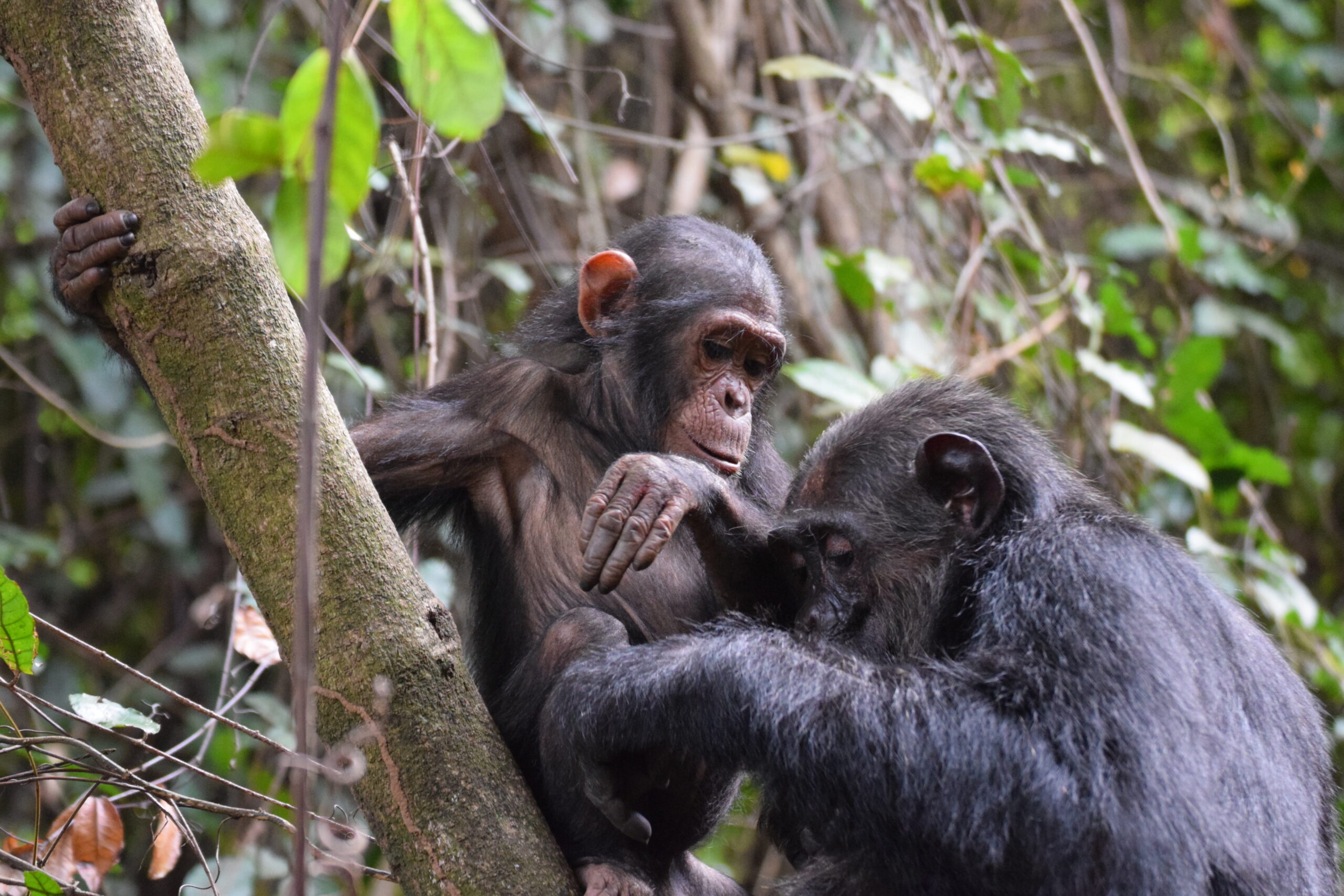
Same-sex sexual behaviour among non-human primates may help reinforce social bonds and maintain group stability during environmental or social stress, according to new research. Writing in Nature Ecology & Evolution, scientists analysed reports across 59 primate species, including chimpanzees, Barbary macaques and mountain gorillas, finding the behaviour to be widespread. The study was co-authored by Prof Vincent Savolainen of Imperial College London, who said the findings could also shed light on early human behaviour, given shared evolutionary pressures.
The researchers found same-sex sexual behaviour was more common in species living in harsh, dry environments with scarce resources and higher predation risk. It was also associated with longer lifespans, strong size differences between males and females, and complex social hierarchies. Chloe Coxshall, the study’s lead author, said the behaviour appeared shaped by both genetics and environment, with the latter often overlooked.
The team suggested such behaviour can reduce tension, ease aggression and strengthen affiliative bonds, helping groups navigate challenges. While cautioning against direct comparisons with humans, the authors noted modern social pressures could play a role in contemporary patterns of sexual fluidity. Prof Zanna Clay of Durham University welcomed the study, calling it evidence that same-sex behaviour is a common and adaptive part of primate social life. However, Josh Davis of the Natural History Museum warned against mapping animal behaviour too closely onto human experience, stressing the diversity and complexity of both.
