

Soot and Ice: A Dangerous Feedback Loop
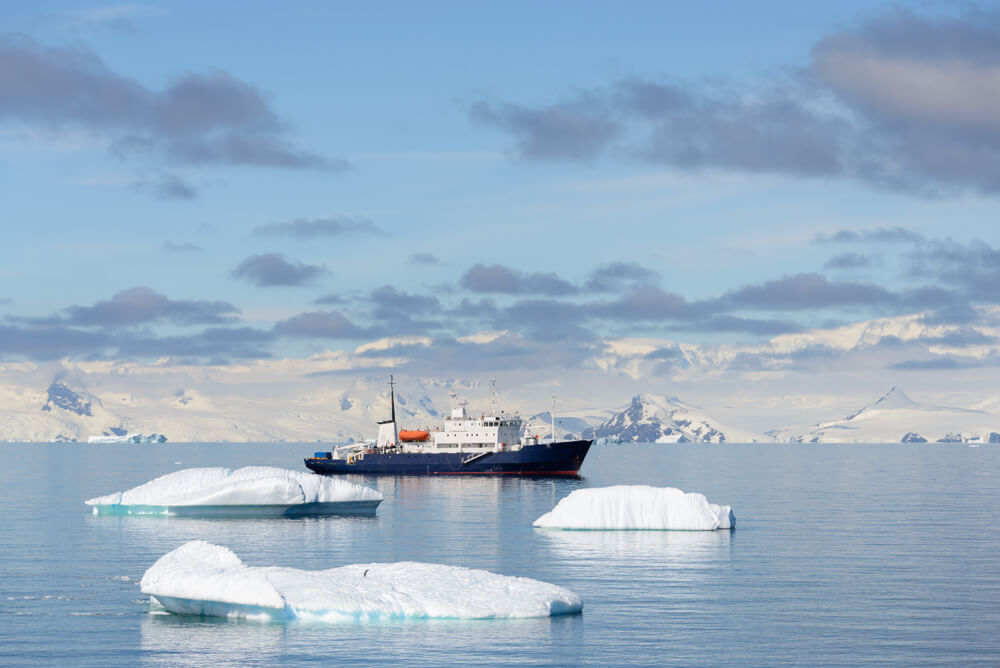
As the Arctic warms and sea ice melts, previously frozen shipping routes are opening up, attracting more cargo ships, fishing vessels, and even cruise liners. But this traffic comes at a cost. Ships emit black carbon, or soot, which darkens ice and snow, causing it to absorb more heat from the sun. “It ends up in a never-ending cycle of increased warming,” says Sian Prior, lead adviser for the Clean Arctic Alliance. The result is faster ice melt and ripple effects on global weather patterns, making the Arctic the fastest-warming region on Earth.
Cleaner Fuels Face Political and Economic Hurdles
To tackle the problem, France, Germany, Denmark, and the Solomon Islands have proposed that ships north of the 60th parallel switch to “polar fuels,” which burn cleaner than conventional maritime fuel. While the proposal is under review by the International Maritime Organization, progress is slow. A 2024 ban on heavy fuel oil has only made a small dent in emissions due to loopholes, and geopolitical tensions — including debates over Greenland and opposition from U.S. leadership — have pushed environmental concerns down the list. Even within Arctic nations, industries like fishing resist stricter regulations due to higher costs, complicating efforts further.
Rising Traffic Means Rising Emissions
Ship activity in the Arctic has surged: between 2013 and 2023, vessel entries north of the 60th parallel rose 37%, while total distance traveled more than doubled. Black carbon emissions followed suit, increasing from 2,696 tonnes in 2019 to 3,310 tonnes in 2024, with fishing boats as the biggest contributors. Environmental advocates argue that regulating fuel is the only realistic way to curb emissions, as limiting shipping traffic altogether is unlikely. While some companies have pledged to avoid risky routes like the Northern Sea Route, without stricter rules, Arctic pollution and climate risks will continue to climb.
