

U.S. Signals Backing for Orbán
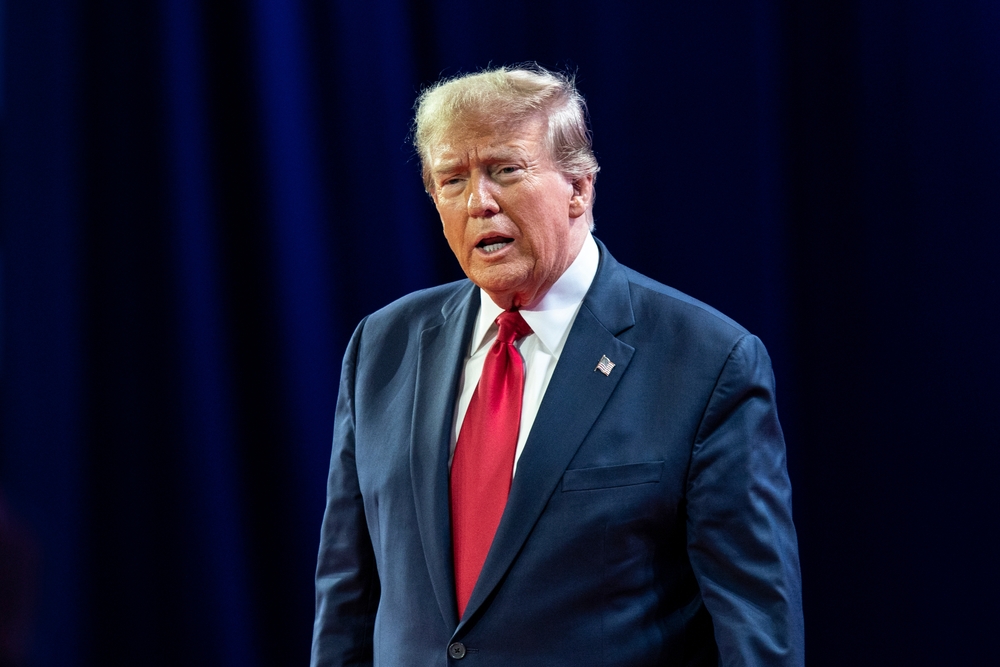
U.S. Secretary of State Marco Rubio visited Budapest to deliver a message of support from former President Donald Trump to Hungarian Prime Minister Viktor Orbán. Speaking at a press conference, Rubio highlighted Orbán’s personal relationship with Trump as a key factor in strengthening U.S.–Hungary ties, including a one-year exemption from U.S. sanctions on Russian oil imports granted last November. “We want you to continue. Your success is our success,” Rubio said, underscoring Washington’s interest in Hungary’s economic stability and political alignment.
Rubio’s visit also included Slovakia, where he met with Prime Minister Robert Fico. Both Fico and Orbán are known for their support of Trump and their criticisms of the European Union. In Budapest, the Hungarian and U.S. foreign ministers signed an energy cooperation agreement, calling it a “golden age” in bilateral relations.
Election Battle and Allegations of Interference
Orbán faces a tough race in Hungary’s April elections, with the opposition Tisza Party leading in recent polls. The Hungarian prime minister claimed that neighboring Ukraine is interfering to support Tisza, aiming to accelerate Ukraine’s EU accession. Hungary has used its veto power to block negotiations with Kyiv, intensifying the political dispute.
Despite the tensions, Orbán stressed he would respect the election results. Pointing to his extensive experience as both the longest-serving prime minister in Europe and a long-time opposition leader, he assured Hungarians that power would transfer according to voters’ intentions.
Trump Invitation and U.S.–Hungary Relations
Orbán reiterated that Trump has an open invitation to visit Hungary ahead of the elections, though no date has been confirmed. He suggested that uncertainty may make a visit more likely.
Rubio did not meet representatives of the Tisza Party, but the opposition welcomed his visit, emphasizing the importance of strong U.S.–Hungary ties regardless of the election outcome. Both sides underscored continued cooperation on economic and energy issues as a priority.
