

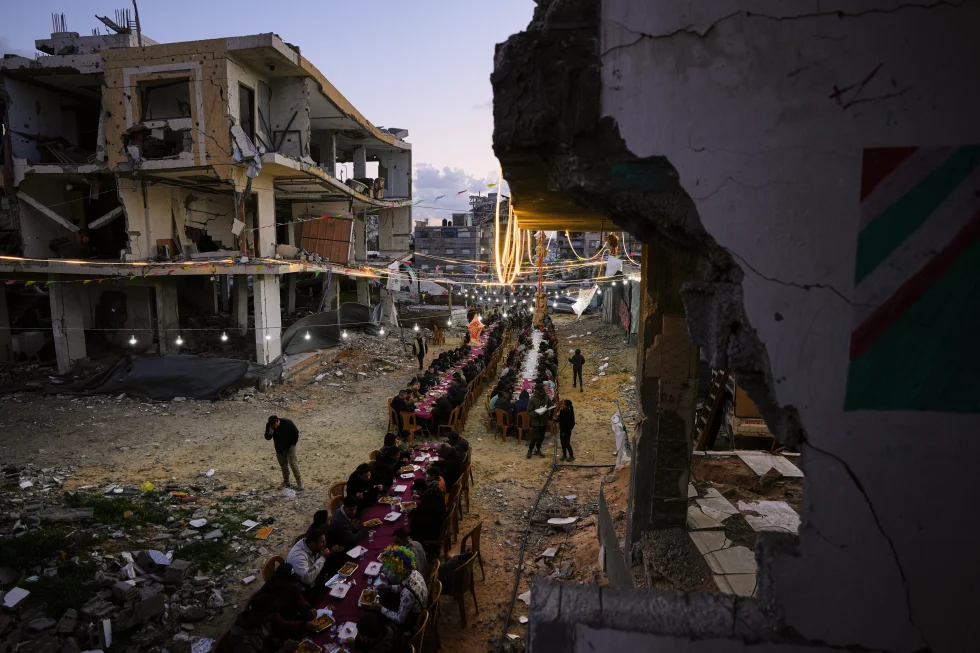
A recent Gallup poll shows a clear shift in U.S. public opinion on the Middle East. Americans are increasingly favoring peaceful approaches to the Israeli–Palestinian conflict.
The survey found that more U.S. adults now support diplomatic solutions rather than military action. Analysts say this reflects broader changes in attitudes, especially among younger generations.
The poll included a representative sample of Americans across age, gender, and political affiliation. Results show that while older voters remain cautious, younger Americans lean strongly toward negotiations and compromise.
Experts suggest that this shift may influence U.S. foreign policy decisions in the coming years. Leaders could face greater pressure to pursue diplomacy over intervention.
The survey also highlights differences in opinion based on political alignment. Independents and Democrats were more likely to favor peaceful resolutions, while Republicans were more divided on the approach.
Gallup notes that these trends are consistent with growing awareness of humanitarian impacts in the region. Social media coverage and global news exposure may play a role in shaping perceptions.
International observers have welcomed the findings, saying that public support for diplomacy could reduce the likelihood of conflict escalation. The poll indicates that Americans increasingly value stability and long-term solutions over short-term military responses.
Interestingly, the data shows generational divides in how the conflict is viewed. Americans under 40 showed the highest support for negotiations, while older adults expressed more skepticism. Researchers say this may reflect differences in media consumption and global awareness.
The findings also suggest that Americans are becoming more critical of one-sided approaches. There is a growing demand for balanced policies that consider the needs of both Israelis and Palestinians.
Gallup’s methodology ensured a representative and unbiased approach. The organization conducted interviews with over 1,500 adults nationwide, with a margin of error of plus or minus three percentage points.
Policy analysts argue that the U.S. government may need to respond to these changing views. Public opinion has historically influenced decisions on foreign aid, troop deployment, and diplomatic engagement.
This poll is part of a broader trend showing Americans’ increasing interest in international peace efforts. Observers note that rising support for diplomatic solutions could lead to more bipartisan consensus in Congress.
As the conflict continues, the shift in U.S. public opinion may affect how policymakers approach negotiations and international cooperation. Analysts believe that understanding these evolving views is crucial for shaping effective foreign policy.
Overall, the poll reflects a significant evolution in attitudes. Americans are showing more willingness to support peaceful solutions, and younger generations are leading the change. This trend could shape the U.S.’s role in the Middle East in the years ahead.
