

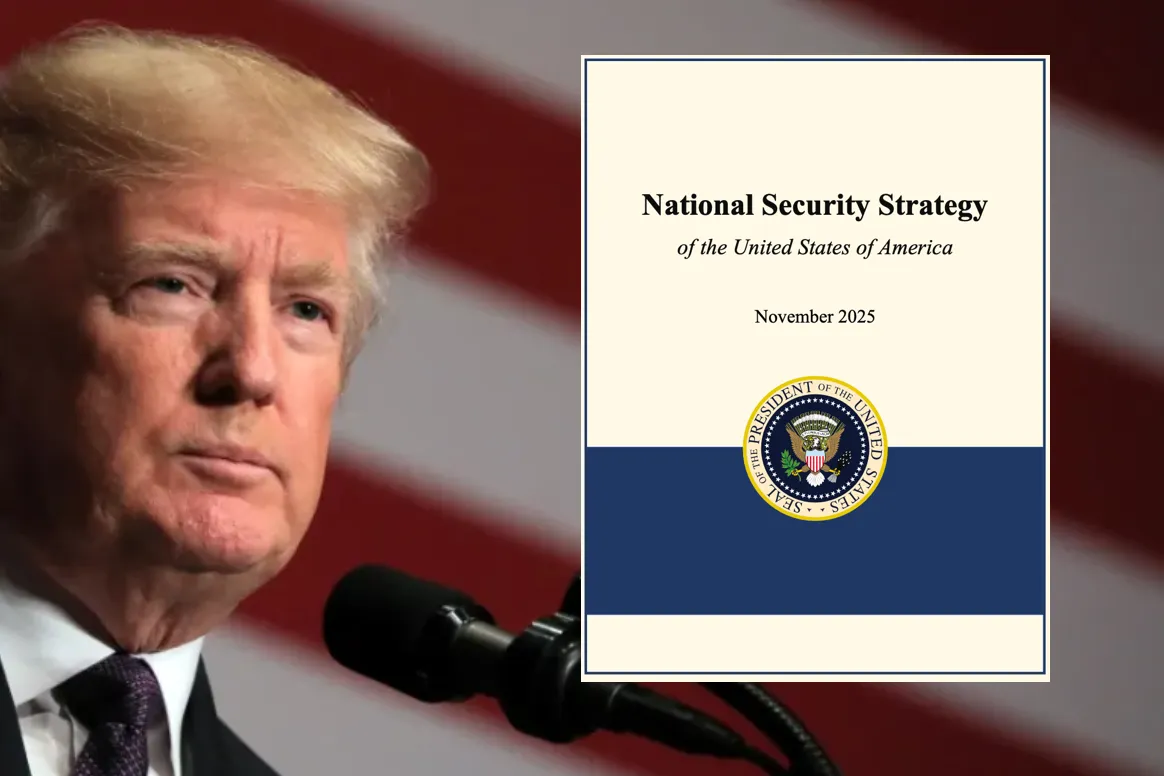
The United States has formally published its 2025 National Security Strategy, presenting a redefined roadmap for the nation’s global engagement and defense priorities. The administration describes the strategy as a framework to guide U.S. actions internationally and strengthen national security in a rapidly changing world.
The new strategy highlights key areas of focus, including protecting American citizens, maintaining global alliances, and addressing emerging threats such as cyberattacks, climate change, and geopolitical competition. Officials say it represents an updated approach to global leadership and international cooperation.
According to the administration, the 2025 strategy emphasizes a balance between diplomacy, economic influence, and military readiness. It aims to ensure that the U.S. remains prepared to respond to crises, support allies, and promote democratic values worldwide.
Cybersecurity is identified as a central component of national defense, with plans to invest in technology and infrastructure to protect critical systems. Officials also stress the need for cooperation with international partners to address shared challenges in cyber and digital domains.
The strategy places a strong focus on strengthening alliances and partnerships. By working closely with NATO, regional coalitions, and other allies, the U.S. aims to enhance collective security and promote stability in areas of strategic importance.
Economic resilience is another priority. The strategy outlines measures to protect trade routes, secure supply chains, and support American industries facing global competition. This approach seeks to ensure that the United States remains competitive while maintaining security interests.
Climate change and environmental security are included as critical challenges affecting national and global stability. The strategy calls for integrating climate risk assessments into security planning and promoting international cooperation to mitigate environmental threats.
Defense modernization is emphasized, with investments in advanced technologies, intelligence capabilities, and military readiness. The strategy highlights the need to adapt to new forms of warfare, including cyber, space, and emerging technologies.
Officials note that the strategy is intended to provide clear guidance to policymakers, military leaders, and diplomatic teams. It aims to ensure that U.S. national security decisions are coordinated, forward-looking, and aligned with global realities.
Experts observing the strategy highlight its comprehensive nature. By combining diplomacy, defense, economic policy, and technology, the strategy seeks to maintain U.S. influence while addressing complex threats that cross traditional boundaries.
The publication of the US national security strategy is seen as a milestone in the administration’s efforts to communicate its vision for global engagement. It signals a commitment to proactive planning, partnership building, and protecting national interests in an interconnected world.
The release is expected to guide U.S. foreign policy and defense planning in the coming years, providing a reference for lawmakers, international partners, and the public on the country’s strategic direction.
