

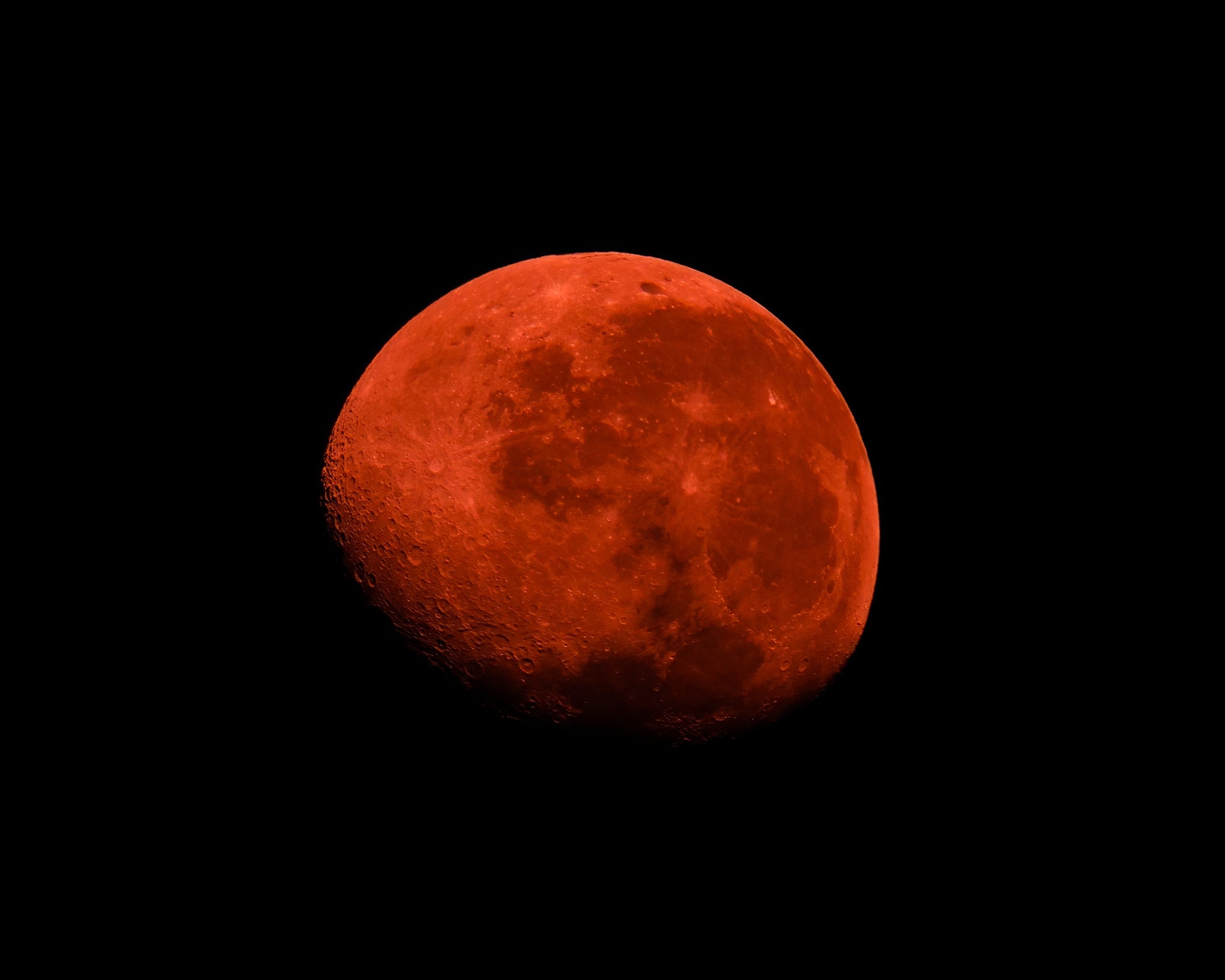
This Sunday, 7 September, Europe will witness a blood moon—a total lunar eclipse visible across much of the continent. Lasting around 82 minutes, it will be the longest such eclipse since 2022. The Earth will pass directly between the sun and the moon, casting a shadow that darkens the lunar surface. Only red light refracted through Earth’s atmosphere reaches the moon, giving it the iconic “blood-red” glow.
Throughout history, blood moons have been steeped in meaning. In cultures from Babylon to China and Central America, they were often seen as ominous signs of war, natural disasters, or divine punishment. Conversely, some African traditions, like those of the Batammaliba in Togo and Benin, interpret the event as a symbolic battle between the sun and moon, offering an opportunity for community renewal and reconciliation.
Today, perspectives diverge sharply. Astronomers view the blood moon as a fascinating celestial spectacle. Florian Freistetter, an astronomer and science writer, emphasizes its beauty and rarity, noting that eclipses are scientifically well-understood: “Astronomy has researched everything that can reasonably be researched in the last century… I can enjoy the sight of an eclipse in peace without having to worry about science.”
Astrology, by contrast, interprets eclipses as symbolic turning points, reflecting cycles and archetypes rather than causing events directly. Silke Schäfer, a German astrologer, explains that astrology is a structured system of interpretation spanning over 2,000 years. Psychologist Markus Jehle adds that modern astrologers use precise planetary data from NASA to inform their readings. For some, the blood moon is a moment to leave behind what has run its course and embrace personal or collective transformation.
Historically, astrology has even influenced politics. Former French President François Mitterrand consulted Swiss astrologer Élizabeth Teissier on personal matters and national decisions, demonstrating the cultural weight of celestial interpretation.
Whether you see the blood moon as an omen, a moment for reflection, or simply a stunning natural display, one thing is certain: Europe’s skies will host a rare and beautiful spectacle this weekend. Statistical studies show no link between lunar eclipses and disasters, so the safest advice is to simply relax and enjoy the view.
