

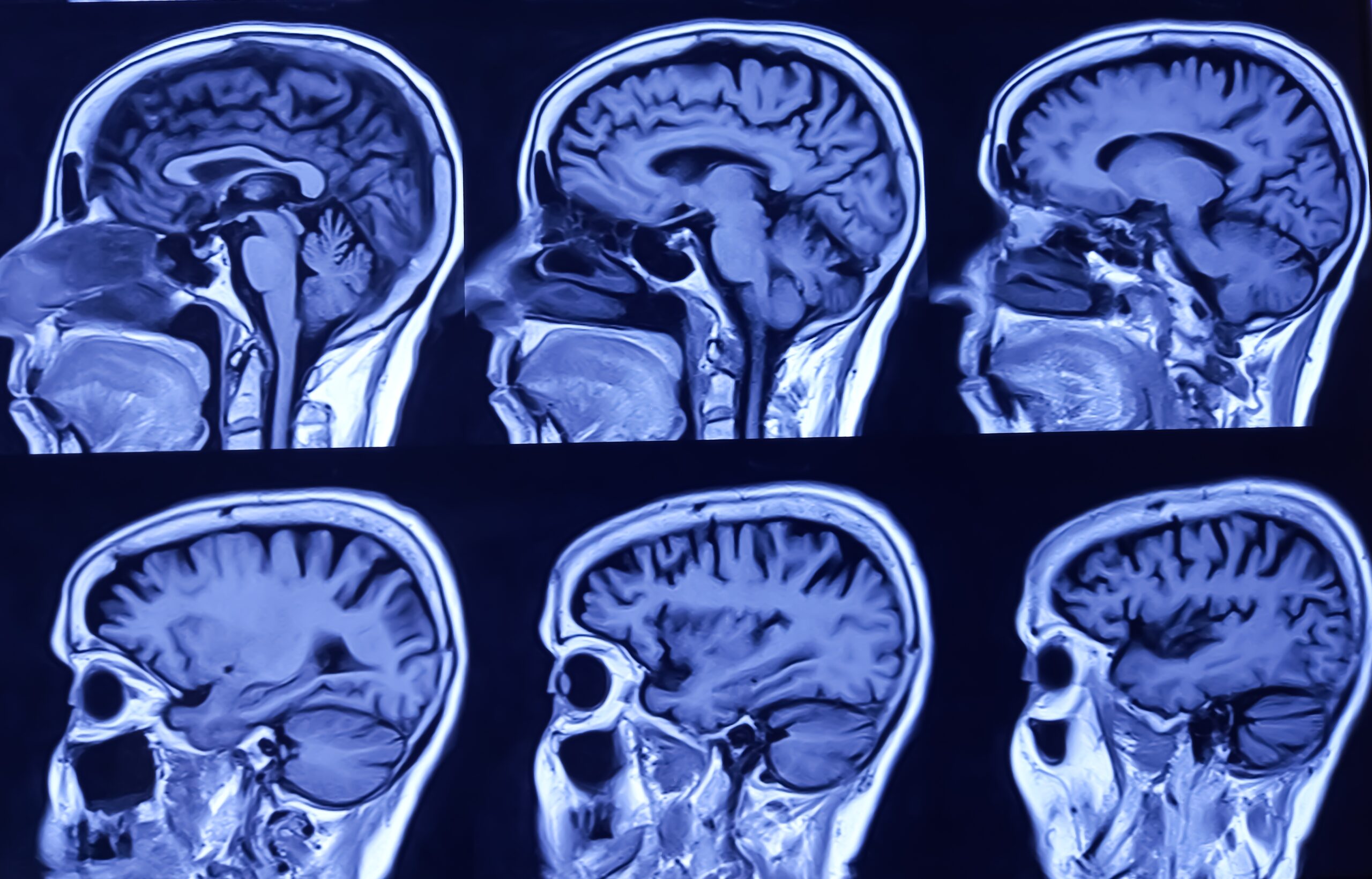
Scientists have identified five major phases of human brain development, with key “turning points” occurring at roughly ages 9, 32, 66 and 83, according to a large study of nearly 4,000 brain scans from infancy to old age.
The research shows the brain does not develop in a smooth, steady way, but instead shifts through distinct eras:
- Birth to ~9 years: Childhood phase, where the brain trims excess connections and rapidly grows in structure.
- ~9 to 32 years: Adolescent phase, marked by improving efficiency of brain networks and cognitive performance.
- ~32 to 66 years: Adult phase, when brain architecture stabilises and becomes more compartmentalised.
- ~66 to 83 years: Early ageing phase, with declining connectivity.
- 83+ years: Late ageing phase, with further network decline.
The strongest shift happens around age 32, when the brain moves into its long-lasting adult mode.
Researchers say understanding these turning points could help explain when the brain is most vulnerable to mental health disorders and age-related cognitive decline.
