

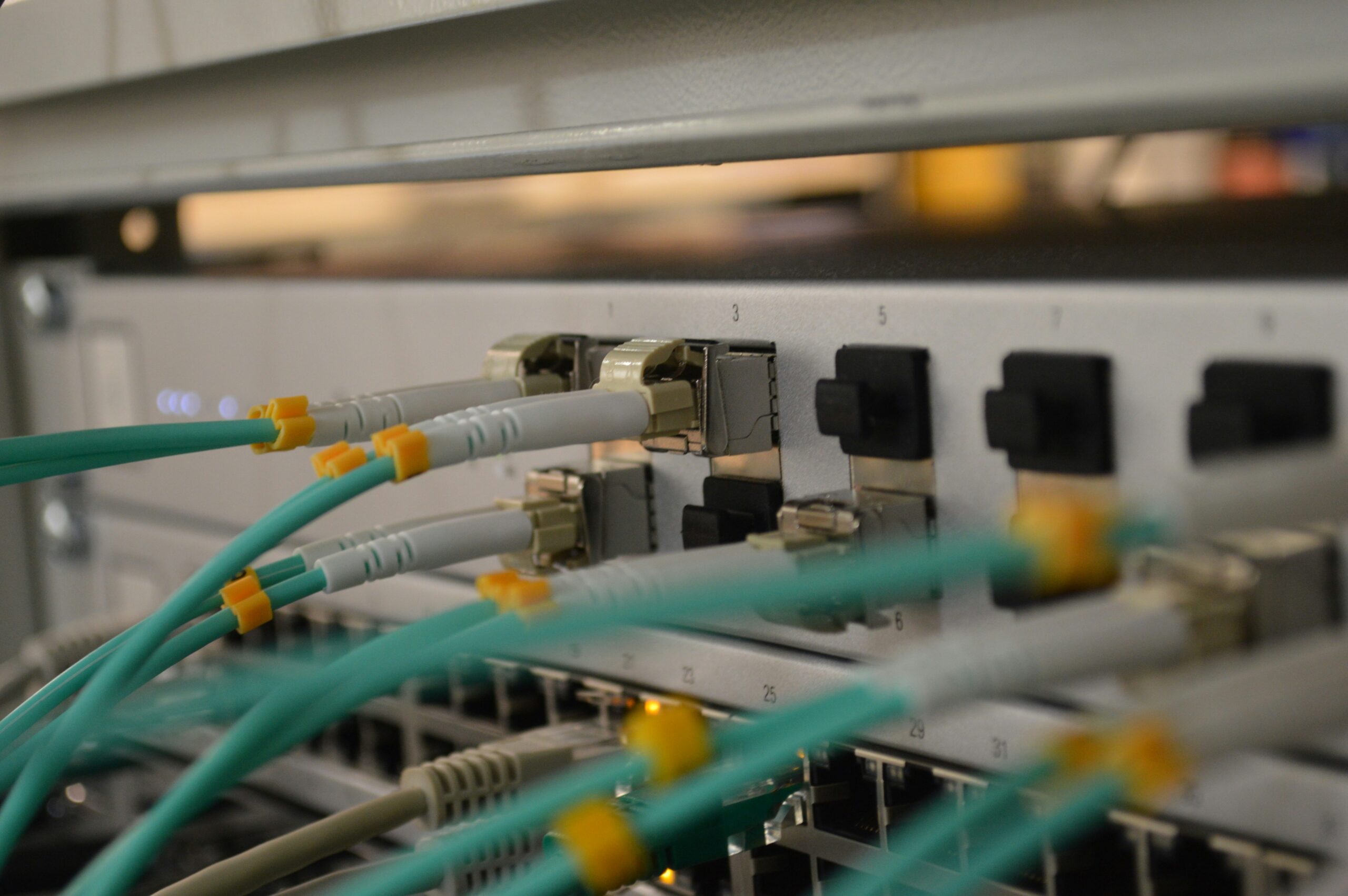
Taliban leader Hibatullah Akhundzada ordered a complete ban on fibre optic internet across Balkh province to “prevent immorality,” officials said Tuesday. This marks the first time the Taliban have restricted fibre internet since taking power in August 2021. The ban affects government offices, schools, businesses, public institutions, and private homes, leaving residents without Wi-Fi access. Officials claim they will provide an alternative network within Afghanistan to cover essential needs, though they gave no timeline or further details.
Residents Struggle With Connectivity Loss
Many residents reported disruptions before authorities confirmed the ban. One resident said his home internet stopped working days ago and his provider initially cited a technical problem. He relies on a fast, stable connection to communicate with clients and companies outside Afghanistan. Mobile data remains functional but is slow, expensive, and insufficient for professional work. The resident said he might relocate from Mazar-e-Sharif, the provincial capital, to maintain his livelihood. Local business owners and schools also face difficulties maintaining operations and communications.
Wider Implications and Uncertainty
Authorities did not explain why Balkh faces the ban first or whether the shutdown will expand to other provinces. Previously, the Taliban temporarily suspended mobile networks during religious festivals to prevent remote detonation of explosive devices. Analysts warn that the current ban could disrupt economic activity, education, and communication across the region. Officials stress that mobile networks remain active and say the alternative infrastructure will address essential connectivity, but they provided no timeline or technical details. Residents and businesses must navigate limited internet access until authorities implement a permanent solution.
