

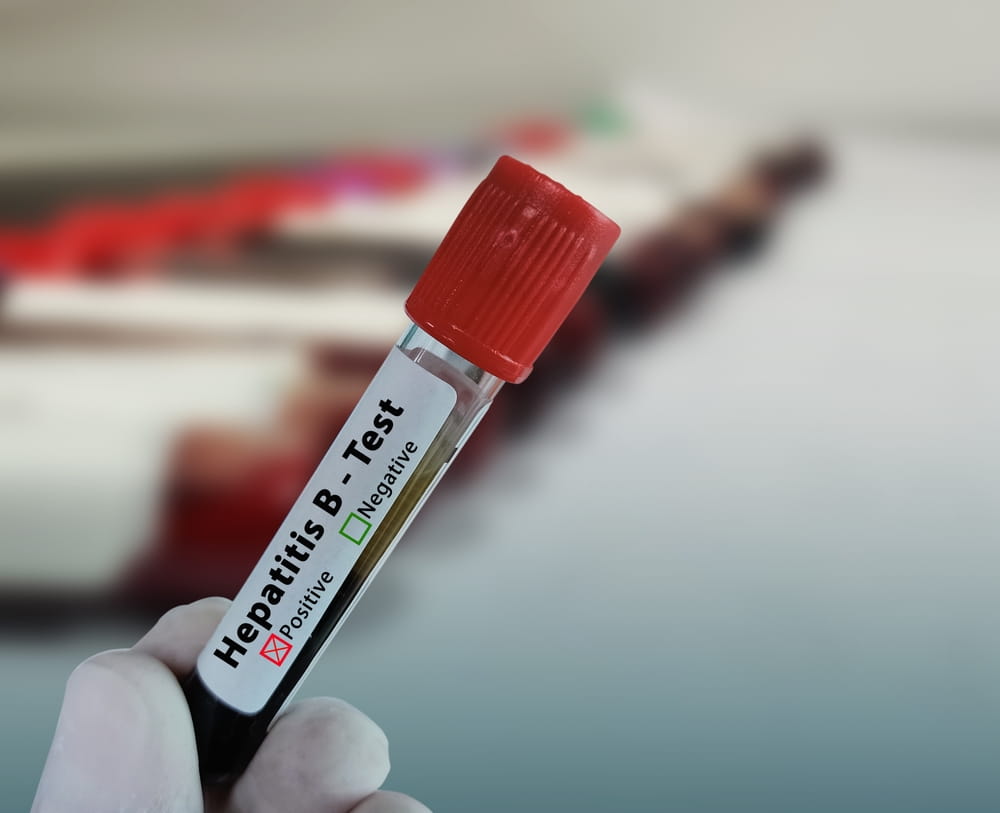
A controversial US-funded study on hepatitis B vaccines for newborns in Guinea-Bissau has been cancelled following widespread criticism over its ethics. The decision was confirmed by Yap Boum, a senior official at the Africa Centres for Disease Control and Prevention, who said the trial’s design raised serious concerns about withholding a proven, life-saving vaccine in a country with a high disease burden.
The $1.6m study, funded under the authority of Robert F Kennedy Jr at the US Department of Health and Human Services, proposed delaying hepatitis B vaccination for some infants. Critics argued this would knowingly deny protection to thousands of children. While US officials have said the protocol is being revised, a senior Guinea-Bissau official confirmed the trial was halted over ethical concerns.
Medical experts and researchers welcomed the cancellation. Paul Offit called it a victory for research ethics, while Boghuma Titanji said it showed growing resistance to exploitative studies in Africa. Guinea-Bissau will continue its current vaccination schedule until a universal birth dose is introduced in 2027.
